

May 23, 2026
Commercial Build-Out Types Los Angeles: 2026 Guide

Choosing among the commercial build-out types Los Angeles offers is one of the most consequential decisions a business owner or investor will make before signing a lease. Get it right and you move in on time, under budget, and with a space that works from day one. Get it wrong and you are staring at surprise costs, permit delays, and a layout that fights your operations every single day. Los Angeles adds its own complexity to this process, from Title 24 energy compliance to the city’s expanding adaptive reuse ordinance. This guide cuts through that complexity and gives you a clear framework for making the right call.
Table of Contents
- Key takeaways
- 1. The core commercial build-out types Los Angeles businesses encounter
- 2. Key factors to evaluate before you commit to a build-out type
- 3. First-generation build-outs: starting from scratch
- 4. Second-generation build-outs: renovating existing spaces
- 5. Vanilla shell and turnkey build-outs: the middle ground options
- 6. Specialized commercial build-outs: retail, office, restaurant, medical, and industrial
- 7. Comparison and decision guide for LA businesses
- My take on commercial build-outs in Los Angeles
- How Builtblackbriar brings Los Angeles build-out projects to life
- FAQ
Key takeaways
| Point | Details |
|---|---|
| Know your shell condition | Raw, vanilla, and turnkey shells carry very different costs and timelines before you open your doors. |
| LA vacancy favors tenants | Office vacancy at 23.6% in Q1 2026 gives tenants real leverage to negotiate tenant improvement allowances. |
| Specialized build-outs cost more | Restaurant and medical build-outs in LA run $200 to $950 per square foot, far above office or retail. |
| Adaptive reuse opens doors | LA’s 2026 ordinance makes older buildings eligible for streamlined conversion, which can cut both permit time and cost. |
| Match type to business function | Retail, office, restaurant, medical, and industrial spaces each have distinct code requirements and design priorities that drive build-out decisions. |
1. The core commercial build-out types Los Angeles businesses encounter
Before you can plan a commercial property build in Los Angeles, you need to understand the foundational categories. Commercial build-outs are classified by the condition of the space at the time of lease: cold shells, warm (or vanilla) shells, and turnkey build-outs. Each represents a different starting point and a different level of investment.
A cold shell is an unfinished box. Concrete floors, exposed structure, no HVAC, no plumbing, no electrical distribution. A vanilla shell sits in the middle ground, with basic lighting, standard HVAC, a finished ceiling, and sometimes flooring already in place. A turnkey build-out is fully finished and move-in ready, typically funded by the landlord and designed to attract a specific type of tenant quickly.
Beyond shell condition, the industry also distinguishes between first-generation and second-generation build-outs, each with its own cost profile and timeline. Understanding all three layers of classification, shell type, generation, and business function, gives you a complete picture before any negotiation begins.
2. Key factors to evaluate before you commit to a build-out type
Selecting the right build-out type is not just about aesthetics or budget in isolation. Several factors intersect to determine which path makes the most sense for your specific situation.
- Space condition. The existing condition of the space sets your baseline cost and schedule. A cold shell requires full construction; a vanilla shell may need only finishes and fixtures; a turnkey space might require only furniture and technology.
- Operational needs and customization. A medical practice needs exam rooms, specialized plumbing, and ADA-compliant corridors. A creative agency may want wide open floor plates with exposed ceilings. Your operations should dictate your build-out type, not the other way around.
- Financial responsibility. Tenant improvement allowances define how much the landlord contributes versus how much falls on you. The landlord typically covers structural elements and restrooms; you generally pay for interior customization, demolition, and design.
- Zoning and permits. Los Angeles has specific compliance requirements including Title 24 energy efficiency and California ADA standards. The city’s adaptive reuse ordinance, which expands eligibility citywide for buildings 15 or more years old, can dramatically change your permitting timeline on older properties.
- Timeline tolerance. How quickly do you need to open? A restaurant build-out can take 20 to 40 weeks. An industrial fit-out may take as few as 4 weeks. Your revenue clock should factor into which type you choose.
Pro Tip: Before touring spaces, write down your non-negotiables: plumbing locations, electrical capacity, ceiling height, and loading access. Spaces that miss even one of these may force expensive modifications that cancel out any rent savings.
3. First-generation build-outs: starting from scratch
A first-generation build-out begins with a raw or cold shell. You are building every system from the ground up, including mechanical, electrical, plumbing, and all interior finishes. This gives you maximum design freedom, but that freedom comes at a price.
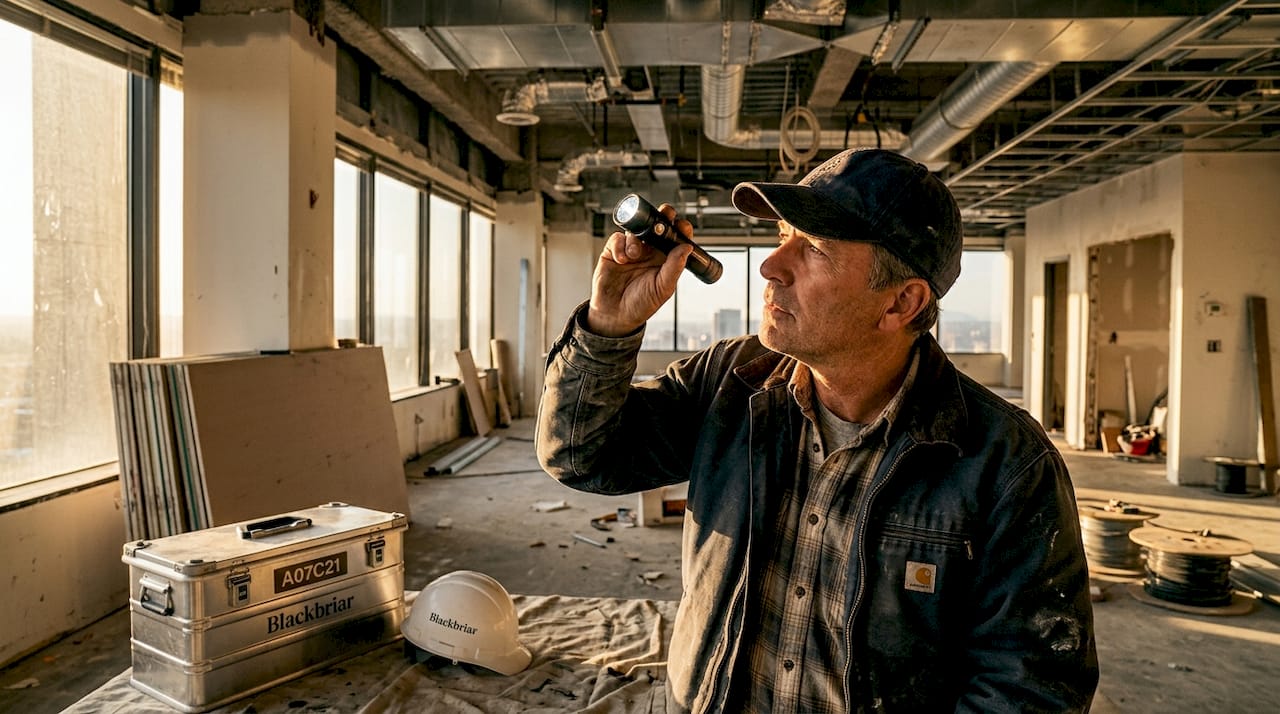
First-generation projects are best suited for businesses with highly specific spatial requirements: custom restaurant concepts, specialized medical clinics, or flagship retail stores where brand experience is inseparable from the physical space. You control every decision, which also means you absorb every cost.
Key characteristics of first-generation build-outs include:
- Full construction scope from structural framing to final finishes
- Longer permitting timelines due to the volume of new work
- Higher upfront cost, though long-term lease terms sometimes offset this
- Greater opportunity to incorporate energy-efficient HVAC and electric-ready infrastructure from the start, which LA compliance standards increasingly require
The timeline for a complex first-generation build-out in Los Angeles typically runs 6 to 12 months from design to certificate of occupancy, depending on permit volume at the relevant municipal office.
4. Second-generation build-outs: renovating existing spaces
Second-generation build-outs involve renovating a space that was previously occupied and built out for another tenant. The bones are already there: walls, some plumbing, electrical distribution, and often HVAC. Your job is to adapt what exists to fit your needs.
The financial upside is real. You avoid the cost of installing primary building systems from scratch, and permitting is often faster because the space already has an occupancy classification and active connections to utilities. LA’s high office vacancy means many second-generation spaces are available right now, often with landlords willing to offer generous TI allowances or free rent periods to close deals.
The tradeoff is flexibility. You may inherit a floor plan that conflicts with your workflow, plumbing that is in the wrong location, or electrical capacity that falls short of your equipment load. A thorough due diligence walk-through with a licensed contractor before signing is not optional. It is the difference between a project that runs smoothly and one that surfaces $80,000 in unforeseen demo costs on week two.
5. Vanilla shell and turnkey build-outs: the middle ground options
These two build-out types deserve their own section because they are the most common starting conditions businesses encounter in LA commercial leasing, and they are frequently misunderstood.
A vanilla shell provides a standardized base: finished ceilings, standard HVAC distribution, basic lighting, and sometimes flooring. The landlord delivers a neutral, habitable box. The tenant then customizes from there, adding partitions, specialty lighting, millwork, signage, and technology infrastructure.
A turnkey build-out goes further. The landlord designs and finances a fully finished space, often to a generic standard, and the tenant moves in with little or no construction required. This sounds ideal, but the design decisions belong to the landlord, not you.
| Build-out type | Who pays | Customization level | Typical timeline |
|---|---|---|---|
| Vanilla shell | Tenant customizes | Moderate to high | 8 to 20 weeks |
| Turnkey | Landlord funded | Low (landlord’s spec) | Move-in ready |
| Cold shell | Tenant funds all | Very high | 20 to 40+ weeks |
Pro Tip: If a landlord offers a turnkey build-out, ask to see the specification sheet before you agree. What reads as “fully finished” may mean basic carpeting, contractor-grade fixtures, and no provision for your IT or branding needs.
Retail businesses and professional service offices often gravitate toward vanilla shells when brand customization matters but a full cold-shell build-out is not justified. Turnkey spaces work best for tenants who need to open fast, such as short-term office users or satellite locations for established brands.
6. Specialized commercial build-outs: retail, office, restaurant, medical, and industrial
Los Angeles commercial design covers a wide spectrum of business types, and each carries its own build-out requirements, cost drivers, and regulatory checkpoints.
Retail build-outs prioritize customer experience. Lighting, flooring, and storefront design create the first impression that drives purchasing behavior. Signage integration, brand color systems, and display infrastructure are built into the design from the start. Retail build-out costs in LA typically range from $75 to $200 per square foot.
Office build-outs focus on productivity, technology infrastructure, and adaptable floor plans. Open-plan layouts with collaborative zones, private focus rooms, and structured cabling for high-speed connectivity define modern office build-out options in Los Angeles. Costs generally run $50 to $150 per square foot.
Restaurant and food service build-outs are the most technically complex and expensive category. Kitchen equipment and HVAC systems can consume up to 70% of the total build-out budget. Health code compliance, Type 1 hood systems, grease trap installation, and fire suppression add layers of cost and time. Budgets in LA range from $200 to $500 per square foot for standard concepts.
Medical and healthcare build-outs carry the highest per-square-foot cost in the market, running from $375 to $950 per square foot in Los Angeles. The reasons are specific:
- Strict ADA corridor widths and accessible restroom requirements
- Lead-lined walls for imaging suites
- Specialty plumbing for exam and procedure rooms
- Rigorous HVAC requirements for infection control
Industrial and warehouse build-outs sit at the opposite end of the cost spectrum. Standard features include loading docks, high-bay lighting, polished concrete floors, and safety signage. Timelines are short, typically 4 to 8 weeks, and costs are low relative to other types.
7. Comparison and decision guide for LA businesses
Choosing the right build-out type comes down to matching your business profile to the available options in the current Los Angeles market. The comparison below summarizes the main variables.
| Build-out type | Cost range per sq ft | Timeline | Best suited for |
|---|---|---|---|
| Cold shell (first-gen) | $150 to $500+ | 6 to 12 months | Custom restaurants, medical, flagship retail |
| Vanilla shell | $50 to $200 | 8 to 20 weeks | Office, boutique retail, professional services |
| Turnkey | Landlord funded | Move-in ready | Short-term office, satellite locations |
| Second-generation | $40 to $150 | 4 to 16 weeks | Most business types with flexible layouts |
| Industrial fit-out | $25 to $75 | 4 to 8 weeks | Warehousing, light manufacturing, distribution |
A few LA-specific factors should inform your final decision. The city’s adaptive reuse ordinance now extends by-right approval to buildings 15 or more years old citywide, which opens up older commercial inventory to faster, lower-cost conversions. If you are eyeing a 1970s office building in Culver City or a former industrial property in the Arts District, this ordinance could meaningfully reduce your permitting timeline.
The current market also works in your favor if you are leasing. With LA office vacancy at 23.6% as of Q1 2026, landlords are competing for tenants. You have real room to negotiate TI allowances, free rent periods, and landlord-funded base improvements. Do not walk into a lease negotiation without understanding your leverage in this environment.
Pro Tip: When planning a commercial property build in Los Angeles, get two contractor bids and one independent cost estimate before accepting any TI allowance figure a landlord puts forward. The landlord’s number is almost always based on vanilla scope, not your actual program.
For small businesses (under 3,000 square feet), second-generation vanilla shell spaces typically offer the best balance of cost and customization. For mid-size companies (3,000 to 15,000 square feet), first-generation build-outs become viable when the lease term is 7 years or longer. For large-footprint users or investors developing multi-tenant properties, a design-build approach with a single firm managing both architecture and construction typically compresses schedule and reduces cost variance.
My take on commercial build-outs in Los Angeles
I have watched enough LA build-out projects go sideways to know where the real risks live. They are rarely in the design. They are almost always in the gap between what a business owner assumes and what the lease actually says.
The most common scenario I have seen unfold: a tenant assumes the landlord will cover a meaningful portion of the build-out because the building is vacant and the landlord seems eager. The lease gets signed, the TI allowance turns out to cover 40% of the actual scope, and the tenant is suddenly funding a $300,000 overrun out of pocket before they have served a single customer or onboarded a single employee.
First-generation build-outs in particular cost more than anticipated, not because contractors are wrong in their estimates, but because the permit process in Los Angeles adds time and change orders that nobody budgeted for. A project scoped at 20 weeks can run to 32 weeks when plan check corrections and utility coordination are factored in. That extra three months of carrying costs on a lease that has already started is real money.
The adaptive reuse ordinance is genuinely useful, but only if your project team understands how to file for it correctly. I have seen projects in older buildings lose months because the initial filing did not qualify the structure properly under the 2026 expanded eligibility rules.
My honest advice: hire a build-out consultant or an experienced general contractor before you sign anything. Not after. The $5,000 to $10,000 you spend on pre-lease due diligence will almost always save you far more on the back end.
— Daniel
How Builtblackbriar brings Los Angeles build-out projects to life
Builtblackbriar has built a reputation in Los Angeles by doing exactly what this market demands: precise project management, transparent cost reporting, and a team that understands both the design ambitions and the regulatory realities of building in this city.
Whether you are planning a first-generation retail flagship in West Hollywood, a second-generation office renovation in Santa Monica, or a complex medical build-out in the South Bay, Builtblackbriar brings the same rigorous approach to every project. Their technology-integrated process keeps clients informed at every phase, from permit submission through final punch list, so there are no surprises at the worst possible moment. For investors and business owners who want their build-out delivered on time and within the agreed scope, explore Builtblackbriar’s Los Angeles build-out expertise or review the full range of commercial construction services available across the LA market.
FAQ
What are the main commercial build-out types in Los Angeles?
The primary types are cold shell, vanilla shell, turnkey, first-generation, and second-generation build-outs. Each represents a different starting condition, cost level, and degree of customization available to the tenant.
How much does a commercial build-out cost in Los Angeles?
Build-out costs in Los Angeles range from roughly $25 per square foot for basic industrial spaces to $950 per square foot for specialized medical facilities, with office and retail projects falling between $50 and $200 per square foot depending on finish level.
Who pays for a commercial build-out, the landlord or the tenant?
Responsibility is split. Landlords typically fund tenant improvement allowances that cover base structural work, while tenants pay for interior customization, design fees, and anything beyond the agreed TI scope.
Can LA’s adaptive reuse ordinance reduce my build-out costs?
Yes. For buildings 15 or more years old, the 2026 ordinance allows by-right approval and streamlined permitting, which can reduce both the timeline and the soft costs associated with a full permit review cycle.
What is the fastest commercial build-out type to complete?
Turnkey and industrial build-outs are the fastest. Turnkey spaces are delivered move-in ready by the landlord, while industrial fit-outs can typically be completed in 4 to 8 weeks from project start to occupancy.