

May 19, 2026
How to Collaborate with a Luxury Home Builder
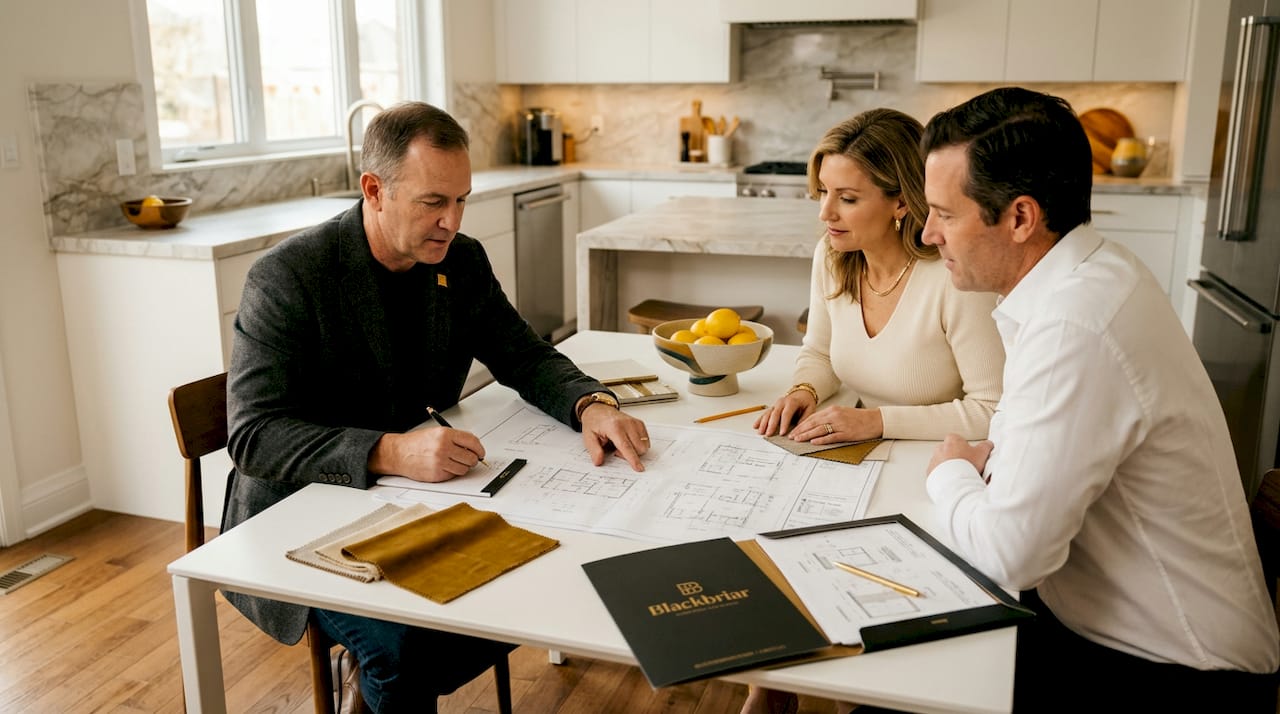
When you decide to collaborate with a luxury home builder, the stakes are high and the process is more nuanced than most homeowners expect. A custom luxury residence in Los Angeles involves dozens of decisions made simultaneously across design, engineering, materials, and budget. Homeowners who treat their builder as a passive contractor rather than an active partner routinely face cost overruns, design compromises, and extended timelines. The good news is that with the right preparation, communication structure, and builder relationship, you can move through construction with clarity and confidence, arriving at a home that genuinely reflects your vision.
Table of Contents
- Key takeaways
- How to collaborate with a luxury home builder effectively
- The step-by-step collaboration process
- Common challenges and how to handle them
- Verifying outcomes throughout the build
- My perspective on what actually works
- Build your dream home with Builtblackbriar
- FAQ
Key takeaways
| Point | Details |
|---|---|
| Engage builders early | Bringing your builder into the design phase reduces costly change orders and shortens your project timeline. |
| Choose the right delivery model | Design-build or architect plus general contractor each affects how you collaborate and who holds accountability. |
| Formalize communication upfront | Pre-construction meetings, digital document tools, and defined stakeholder roles prevent expensive misunderstandings. |
| Change orders need structure | Establishing a formal approval process before construction begins keeps your budget and schedule intact. |
| Verify quality at every milestone | Scheduled checkpoints and a thorough punch list process protect your investment through completion. |
How to collaborate with a luxury home builder effectively
Before the first shovel breaks ground, you need to do serious internal work. The homeowners who have the smoothest luxury home construction collaboration are the ones who arrive at the first builder meeting with a clear vision, a realistic budget range, and a list of non-negotiables. Without that foundation, even the most skilled builder is working in the dark.
Start by documenting your priorities. What rooms matter most to you? Are you committed to a specific architectural style, or are you open to interpretation? Do you have sustainability goals, such as photovoltaic panels or passive cooling systems? Write these down before any conversation with a builder begins.
Next, consider your delivery model. This choice shapes everything about your collaboration:
- Design-build: Architecture, engineering, and construction fall under one contract. Design-build firms offer faster timelines and a single accountable team, which suits homeowners who prioritize schedule efficiency and cost control from day one.
- Architect plus general contractor: You hire an architect independently and then bring in a general contractor to execute. This model suits homeowners who want independent design advocacy and are comfortable managing two separate professional relationships.
Your delivery model choice directly affects your collaboration style, your communication load, and who you call when problems arise.
When selecting a builder, look beyond portfolio photos. Ask about their subcontractor relationships, their document control systems, and how they handle change orders. A high-end home builder in Westlake or East Los Angeles, for example, should be able to walk you through their pre-construction process in detail before you sign anything.
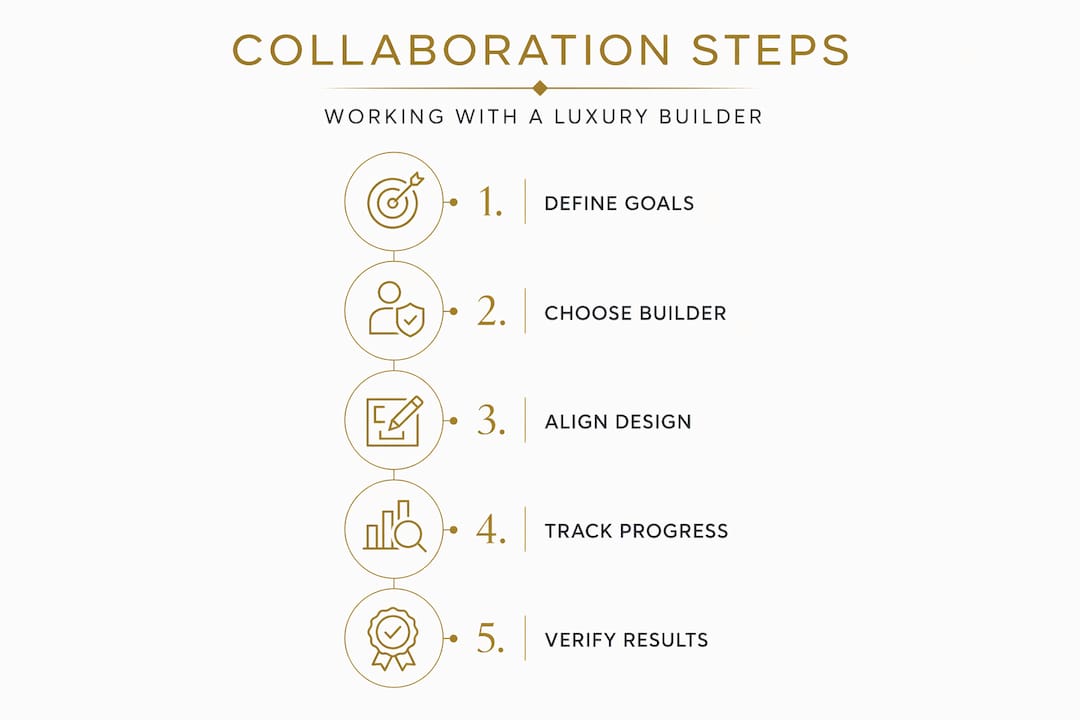
Pro Tip: Prepare a one-page project brief before your first builder meeting. Include your budget range, target completion date, must-have features, and any site constraints. This single document saves hours of back-and-forth and signals to your builder that you are a serious, organized client.
The step-by-step collaboration process
Knowing when and how to engage your builder at each phase is what separates a smooth project from a frustrating one. Here is a practical sequence that reflects how the best luxury home construction collaborations actually unfold:
-
Initial consultation. Share your project brief, site information, and budget parameters. Listen carefully to how the builder responds. A quality builder will ask clarifying questions, not just tell you what you want to hear. This meeting sets the tone for the entire partnership.
-
Design development engagement. Engaging a builder during design development reduces project risk by enabling real-time constructability feedback and cost modeling. When your builder reviews drawings as they develop, they catch structural conflicts and budget misalignments before they become expensive field problems.
-
Pre-construction meeting. Schedule this one to four weeks before construction begins. The agenda should cover schedule milestones, budget reconciliation, document control procedures, and the change order approval process. Bring your interior designer, landscape architect, and any other key consultants to this meeting.
-
Stakeholder role definition. Establish who has authority to approve changes, who receives weekly reports, and who the builder’s primary point of contact is on your side. Ambiguity here creates delays.
-
Digital tool onboarding. Ask your builder which platforms they use for document management. Software like SharePoint or Bluebeam tracks RFIs (requests for information), plan revisions, and approvals in real time. You should have access to these platforms and understand how to use them.
-
Weekly progress check-ins. Establish a standing meeting, even a 20-minute video call, to review the previous week’s work, upcoming activities, and any open items. Consistency here prevents small issues from compounding.
-
Budget review cadence. Request a monthly cost report that compares actual spending against the original budget. Integrated teams that share information continuously experience fewer delays and cost overruns, and you want to be part of that information loop.
Pro Tip: Ask your builder to include a “look-ahead schedule” in every weekly update. This two-to-three-week forward view of planned activities tells you exactly what decisions you need to make and when, so you are never the bottleneck.
Common challenges and how to handle them
Even the most well-prepared homeowners encounter friction during construction. The key is recognizing these patterns early and responding with process rather than emotion.
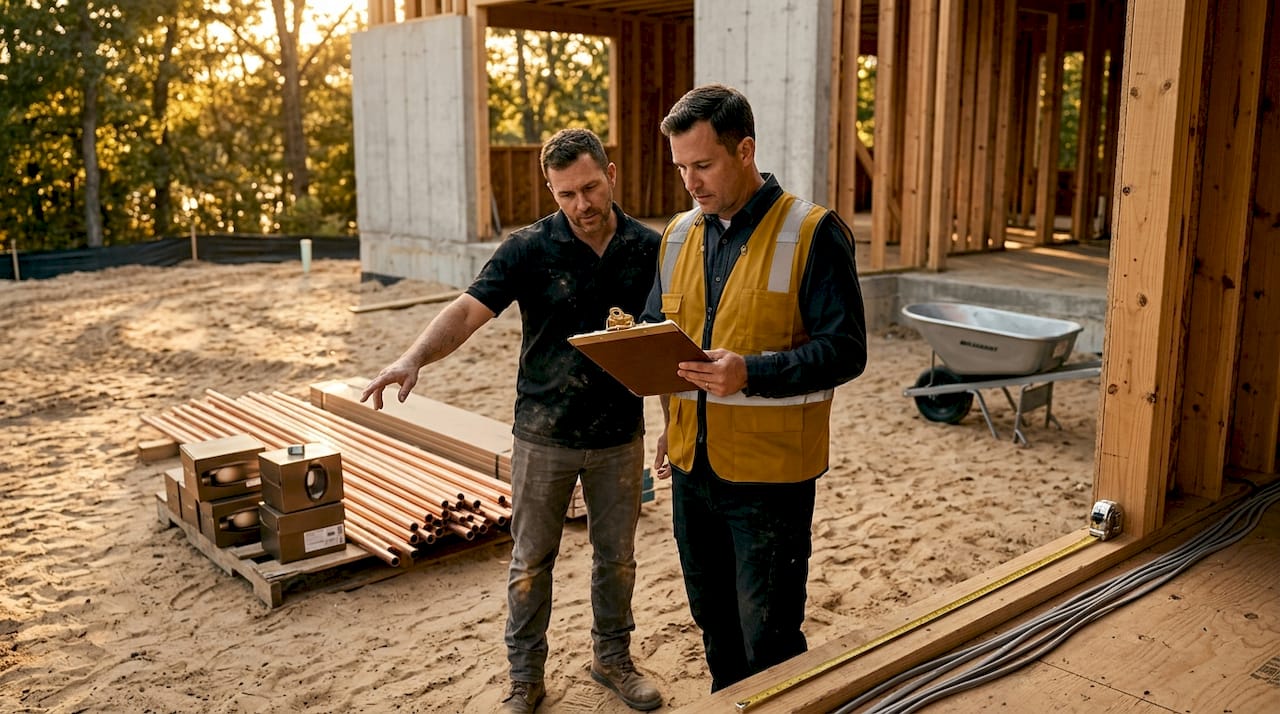
Design changes mid-construction are the single biggest source of budget overruns in custom luxury projects. Every change after construction begins costs significantly more than the same change made during design. Formal change order processes established upfront ensure all parties acknowledge scope changes before work proceeds, protecting both your budget and your relationship with the builder.
Schedule misalignment often stems from homeowners not understanding construction sequencing. Your builder cannot install finish flooring before the HVAC rough-in is complete. When you understand the critical path, you can make timely decisions without creating downstream delays.
Communication breakdowns between homeowners, builders, and designers are more common than anyone admits. The fix is structural, not personal. Assign one primary contact on your side, document all decisions in writing (even if they were made verbally), and copy all relevant parties on material emails.
“The most successful projects I’ve been part of were ones where the homeowner showed up curious and engaged, not just as a check-signer. When clients understand why sequencing matters, they make faster decisions and the whole project moves better.” This kind of partnership is exactly what luxury builders coordinate when managing architects, tradespeople, and homeowners together.
Budget discipline without compromising quality is a real tension in luxury home projects. The answer is not cutting materials. It is making decisions earlier. Every week a decision is delayed in construction adds cost through idle labor, material price fluctuations, or rework. Your builder should flag pending decisions with a deadline, and you should respect those deadlines as binding.
Verifying outcomes throughout the build
Working with your builder on a luxury home is not a set-it-and-forget-it process. Verification at key milestones protects your investment and keeps quality standards where they belong.
| Construction phase | Verification activity | Who is involved |
|---|---|---|
| Foundation complete | Structural inspection and survey confirmation | Builder, structural engineer, homeowner |
| Framing complete | Framing walkthrough and MEP rough-in review | Builder, architect, homeowner |
| Drywall before close | Final MEP inspection before walls are closed | Builder, inspector, homeowner |
| Pre-finish | Millwork, tile, and fixture placement review | Builder, interior designer, homeowner |
| Substantial completion | Punch list walkthrough | Builder, architect, homeowner |
| Final completion | All punch list items resolved, warranty documentation delivered | Builder, homeowner |
The punch list walkthrough deserves particular attention. Walk every room with your builder and your architect. Document every item that does not meet the agreed specification, no matter how minor it appears. A well-managed punch list is not a sign of a troubled project. It is the sign of a thorough one.
Post-completion, your relationship with a quality builder should not end at the front door. Warranty coverage on luxury custom homes typically spans one to ten years depending on the system (workmanship, mechanical, structural). Keep your builder’s contact information accessible and report any warranty items promptly. Builders who stand behind their work want to hear from you early, before small issues become large ones.
My perspective on what actually works
I’ve watched homeowners approach luxury home construction collaboration in two fundamentally different ways. The first group treats the builder as a vendor: they hand over a set of plans, write checks, and expect results. The second group treats the builder as a co-author of the project. The outcomes are not even comparable.
What I’ve learned is that the single most valuable thing you can do is engage your builder before your design is finalized. Most homeowners think this is backwards. They want the design “done” before bringing in a contractor. But that instinct costs money. A builder reviewing your plans during schematic design can tell you that the cantilevered glass volume you love will require a structural solution that adds six figures to your budget. That conversation at the design table costs nothing. The same conversation after permits are pulled is a crisis.
I’ve also seen homeowners underestimate how much their own responsiveness affects the project. Builders cannot proceed without decisions. When you delay a material selection or an approval, you are not just pausing one task. You are potentially idling a crew and pushing your completion date. Being an active partner means being available, informed, and decisive.
The homeowners who get the most from working with high-end builders in Saugus or anywhere in the Los Angeles area are the ones who show up to every meeting prepared, ask questions without apology, and trust the process their builder has refined over years of complex projects.
— Daniel
Build your dream home with Builtblackbriar
Builtblackbriar brings a transparent, technology-driven approach to luxury home construction collaboration in Los Angeles, specifically designed for homeowners who want to be genuinely involved in every phase of their project.

From subterranean basement builds to oversized glass installations, Builtblackbriar specializes in the technically complex projects that other builders decline. Their process integrates real-time digital reporting so you always know where your project stands, what decisions are coming, and how your budget is tracking. Clients consistently describe their experience as on-time, on-budget, and free of the surprises that plague less organized firms.
If you are ready to partner with a luxury builder who treats your home as seriously as you do, explore Builtblackbriar’s work with luxury home builders in East Los Angeles and see how a genuinely collaborative custom home builder partnership is structured from the first consultation through final completion. Contact Builtblackbriar to schedule your initial project conversation.
FAQ
What does it mean to collaborate with a luxury home builder?
Collaborating with a luxury home builder means actively participating in design decisions, pre-construction planning, and ongoing communication throughout the project rather than handing off responsibility after signing a contract.
When should I bring a luxury builder into my project?
Engaging your builder during design development is the most effective timing. It reduces costly change orders and allows real-time constructability and cost feedback before plans are finalized.
What is the difference between design-build and architect plus general contractor?
Design-build places architecture and construction under one contract for tighter integration and accountability. Architect plus general contractor separates the roles, giving you independent design advocacy but requiring you to manage two professional relationships.
How do I handle design changes once construction has started?
Establish a formal change order process before construction begins. Every scope change should be documented, priced, and approved in writing by all parties before any related work proceeds.
What tools do luxury builders use to keep homeowners informed?
Most quality builders use digital platforms such as SharePoint or Bluebeam to manage documents, track RFIs, and share plan revisions. Ask your builder for access to these systems and request weekly progress reports as a standard part of your agreement.