

June 10, 2026
Luxury Custom Home Features List for 2026 Buyers
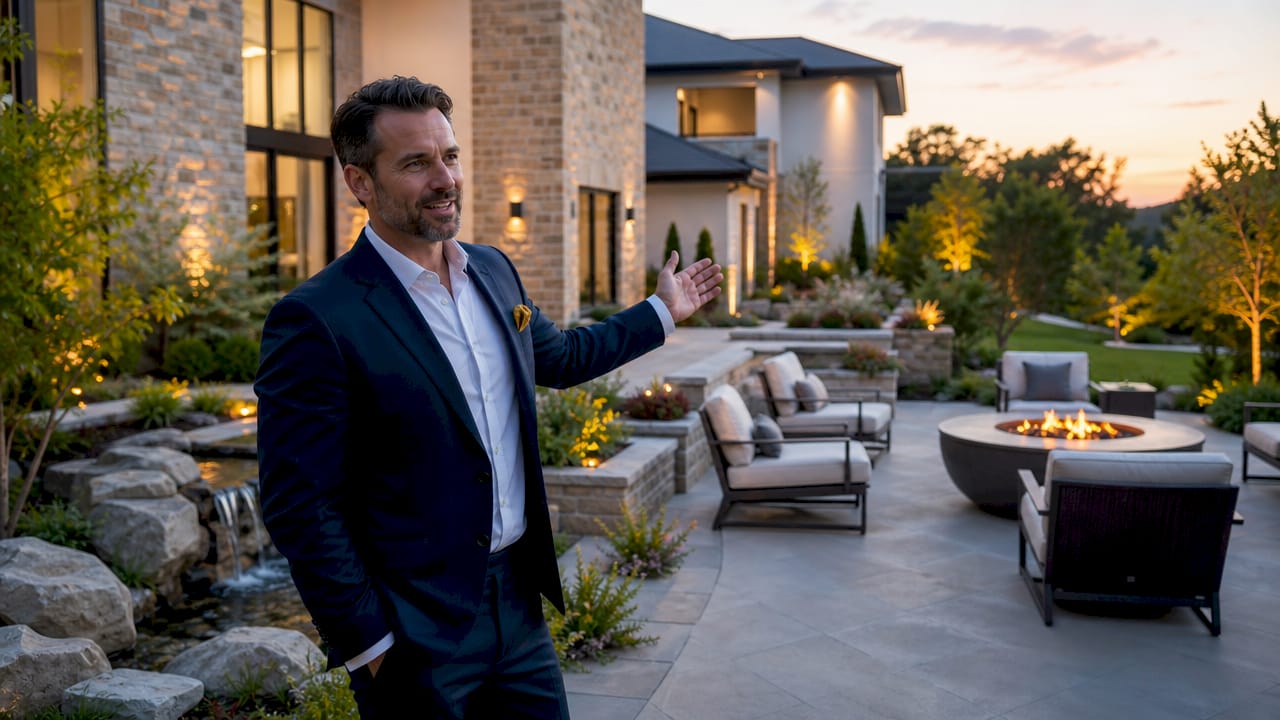
A luxury custom home features list is the definitive collection of amenities, systems, and design elements that separate a high-performance residence from a standard build. Builders like Peak One Builders and PS Elite Construction report that buyers investing $3 million to $10 million in custom homes now treat wellness sanctuaries, sculleries, and unified smart home systems as baseline requirements, not upgrades. The features on this list do more than impress guests. They shape daily life, protect long-term resale value, and reflect a clear philosophy: that true luxury is experienced, not just seen.
1. The luxury custom home features list starts with wellness sanctuaries
Wellness spaces have moved from optional amenity to structural requirement. Infrared saunas, steam showers, and cold plunge pools appear in nearly 100% of luxury homes in Scottsdale and New Jersey in 2026, which means buyers now expect these features before they even tour a property. This shift reflects a broader redefinition of luxury: the home as a place of active restoration, not passive comfort.
A complete wellness suite typically includes an infrared sauna (which uses radiant heat rather than steam for deeper muscle recovery), a steam shower with aromatherapy injection ports, and a cold plunge pool sized for full-body immersion. Yoga studios with cork or sprung hardwood flooring round out the space. These rooms replace the traditional home gym, which offered equipment but rarely offered recovery.
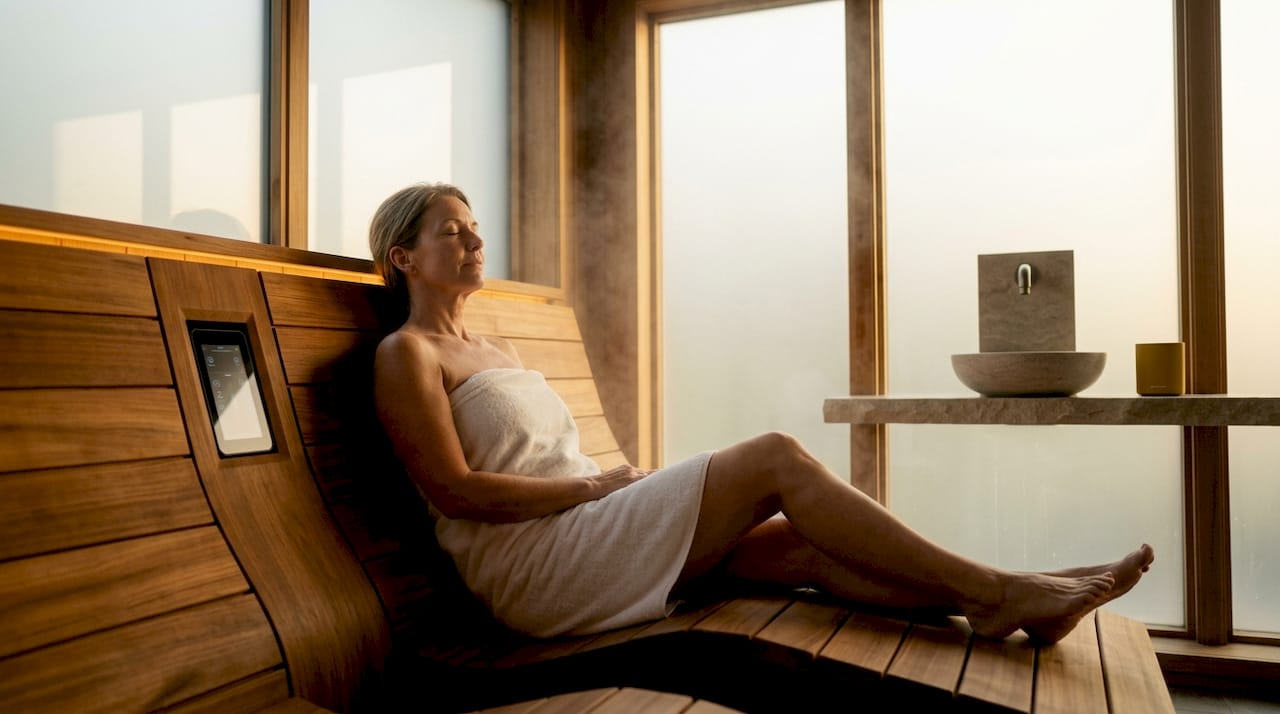
Wellness amenities increase resale value in ways that standard finishes do not, because they address a buyer need that cannot be retrofitted cheaply. A spa-quality steam shower requires dedicated plumbing, waterproofing membranes, and ventilation that must be planned from the foundation stage.
Pro Tip: Locate your wellness suite on the ground floor or basement level during schematic design. Running the required plumbing and electrical circuits after framing is complete can add significant cost and compromise ceiling heights in adjacent rooms.
2. Sculleries and hidden prep kitchens
The scullery is one of the most requested hidden kitchen features in 2026 luxury builds, ranking among the top three kitchen requests according to industry analysis from PS Elite Construction. A scullery is a secondary kitchen tucked behind the main kitchen, equipped with a deep sink, a second dishwasher, appliance storage, and counter space for food prep. The main kitchen stays pristine during dinner parties while the real work happens out of sight.
Effective scullery design requires enough square footage to function as a true workspace. A cramped scullery defeats its purpose. Successful designs allocate at least 80 to 100 square feet, include dedicated electrical circuits for appliances like a second refrigerator or wine cooler, and connect directly to the pantry and garage entry for grocery flow.
- Secondary sink with commercial-grade faucet
- Second dishwasher and under-counter refrigerator
- Floor-to-ceiling cabinetry for appliance and supply storage
- Direct access to the main kitchen and pantry
- Adequate ventilation for cooking odors
Pro Tip: Position the scullery between the garage entry and the main kitchen. This single layout decision makes grocery unloading, catering prep, and post-party cleanup dramatically more efficient.
3. Custom drop zones and family organization hubs
A drop zone is a dedicated transition space near the garage entry that absorbs the daily chaos of bags, keys, shoes, and devices before it reaches the main living areas. In high-end builds, custom drop zones include built-in lockers per family member, integrated charging stations, bench seating with under-seat storage, and hooks at multiple heights for adults and children.
The best drop zones are designed with the same material quality as the rest of the home. Millwork-grade cabinetry, stone or tile flooring that transitions cleanly from the garage, and recessed lighting make the space feel intentional rather than utilitarian. Some clients add a small sink for washing hands before entering the kitchen, which is a detail that proves genuinely useful every single day.
Charging infrastructure deserves particular attention here. Built-in USB-C and wireless charging panels embedded in the millwork keep countertops clear and eliminate the tangle of cables that undermines an otherwise refined space.
4. High-end technology and smart home integration
Smart home failures most often stem from multiple incompatible systems installed by different contractors at different phases of construction. The result is a home with a separate app for lighting, another for climate, another for security, and a homeowner who uses none of them. Unified central hubs that manage security, climate, and lighting under one interface are what actually deliver the luxury experience technology promises.
The most effective approach treats technology as architecture. Silent HVAC systems, layered lighting with scene programming, motorized shades, and whole-home audio are specified together during design development, not sourced independently during construction. Platforms like Control4, Crestron, and Lutron Homeworks are designed to communicate with each other, which is why specifying interoperable systems from the start matters.
Future-ready infrastructure is equally important. EV charging in the garage (ideally two Level 2 circuits with conduit for a third), whole-home battery backup systems, and fiber-ready network infrastructure are features worth planning early because adding them after drywall is closed is expensive and disruptive.
Pro Tip: Hire a dedicated technology integrator during design development, not after construction documents are complete. Their input on conduit routing, equipment room sizing, and panel locations will save far more than their fee.
5. Architectural spatial sequencing in primary suites
A high-end primary suite is defined by spatial sequencing, not square footage. Connected spaces moving from a sitting area through a dressing suite into a spa-like bathroom create a feeling of occasion that a single large room cannot replicate, regardless of how it is finished. This is the design philosophy that separates a $500-per-square-foot suite from one that costs twice as much.
The sitting area anchors the sequence. It functions as a private retreat within the retreat, furnished with a fireplace, reading chairs, and views to a private garden or terrace. The dressing suite follows, with his-and-hers wardrobes, an island with velvet-lined jewelry drawers, and full-length mirrors with integrated lighting. The bathroom closes the sequence with a freestanding soaking tub, a curbless steam shower, and radiant heated floors.
Materials play a structural role in this sequence. Travertine stone, light oak flooring, and plaster walls create warmth and connect the architecture to its environment, whether that environment is a Scottsdale desert or a Los Angeles hillside. The material palette should read as continuous across all three spaces to reinforce the sense of a unified journey.
| Design element | Standard approach | Luxury spatial sequencing |
|---|---|---|
| Suite layout | Single large bedroom with attached bath | Sitting area, dressing suite, and spa bath in sequence |
| Flooring | Uniform hardwood throughout | Travertine in bath, oak in dressing, carpet in sitting area |
| Lighting | Overhead fixtures | Layered: ambient, task, and accent per zone |
| Storage | Walk-in closet off bedroom | Dedicated dressing suite with island and full millwork |
| Connection to outdoors | Standard window | Private terrace or garden accessible from sitting area |
6. Outdoor living spaces that function year-round
Outdoor living is no longer seasonal. Radiant heated flooring, retractable screens, full outdoor kitchens, and large fireplaces are now standard in New Jersey luxury builds, which means the expectation for all-season outdoor use has moved well beyond warm-weather markets. In Los Angeles, the standard is even higher: covered outdoor rooms with motorized glass walls, resort-caliber pools, and integrated landscape lighting are baseline expectations for high-end outdoor spaces.
The outdoor kitchen deserves the same specification rigor as the indoor one. Built-in grills from brands like Kalamazoo or Wolf, refrigeration drawers, a pizza oven, and a bar with a dedicated ice maker create a space that hosts a dinner party without requiring trips inside. Zero-edge pools with integrated spa spillways and sun shelves extend the resort experience into the landscape.
- Covered outdoor room with motorized screens or glass walls
- Full outdoor kitchen with professional-grade appliances
- Zero-edge or negative-edge pool with spa and sun shelf
- Gas fire features integrated into seating areas
- Sport courts (pickleball, basketball, or bocce) with landscape integration
- Guest casita with private entry for extended family or staff
The guest casita is a feature that buyers often add late in the design process and then wish they had planned from the start. A detached or semi-detached suite with its own entrance, kitchenette, and bathroom serves as a private accommodation for guests, extended family, or a live-in household manager.
Key takeaways
The most valuable luxury custom homes combine wellness infrastructure, hidden functional spaces, unified technology, and spatial sequencing from the earliest design phase, because retrofitting any of these features after construction is complete costs significantly more and often compromises the result.
| Point | Details |
|---|---|
| Wellness spaces are now baseline | Infrared saunas, steam showers, and cold plunge pools appear in nearly 100% of $3M-$10M custom homes in 2026. |
| Sculleries protect the main kitchen | A hidden prep kitchen with its own sink and dishwasher keeps entertaining spaces pristine and functional. |
| Technology requires a unified hub | Separate systems for lighting, climate, and security consistently underperform; one integrated platform delivers real luxury. |
| Spatial sequencing defines primary suites | A sitting area, dressing suite, and spa bath in sequence create more perceived value than raw square footage. |
| Outdoor rooms extend livable space | Year-round outdoor kitchens, heated floors, and retractable screens add functional square footage in any climate. |
What I’ve learned about building luxury homes that actually work
The conversation I have most often with clients at Builtblackbriar is about the difference between features that photograph well and features that perform well over time. Oversized pivot doors, dramatic cantilevered staircases, and floor-to-ceiling glass are all worth doing. But the homes that clients love five years after move-in are the ones where the HVAC is silent, the lighting responds to the time of day without anyone touching a switch, and the scullery means the kitchen is always ready for guests.
The wellness suite is where I see the most dramatic shift in client priorities. A decade ago, a home gym with a Peloton and a flat-screen television was the request. Today, clients want an infrared sauna, a cold plunge, and a steam shower before they discuss the gym equipment. That change is not cosmetic. It reflects a genuine understanding that the home is the primary place where health is built and maintained.
The technology conversation is where I push back most. Clients arrive with lists of gadgets and features they have seen in showrooms. My job is to redirect that energy toward infrastructure: the conduit, the equipment room, the network backbone. The gadgets change every three years. The infrastructure lasts the life of the building. Choosing interoperable platforms early, and hiring an integrator during design rather than construction, is the single decision that separates homes that work from homes that frustrate.
The outdoor living space is the feature that surprises clients most after they move in. They plan it carefully, they spend real money on it, and then they use it far more than they expected. A covered outdoor room with a fireplace and a full kitchen does not just add square footage. It changes how the family lives.
— Daniel
Build your vision with Builtblackbriar
Builtblackbriar specializes in luxury custom homes in Los Angeles where complex builds, including subterranean basements, oversized glass installations, and integrated wellness suites, require a builder with both technical depth and transparent project management. Every client receives real-time updates and direct involvement at each phase, so the home you design is the home you receive.

If you are ready to translate your custom home features list into a finished residence, the Builtblackbriar team brings the engineering coordination, technology integration expertise, and design collaboration to make it happen on time and on budget. Start the conversation about your project today.
FAQ
What features are on every luxury custom home list in 2026?
Wellness suites (infrared sauna, steam shower, cold plunge), sculleries, unified smart home systems, and resort-quality outdoor living spaces appear consistently across $3M to $10M custom home projects in 2026, according to data from Peak One Builders and PS Elite Construction.
How much does a scullery add to a custom home build?
A well-designed scullery typically adds between $40,000 and $80,000 to a custom build depending on size and appliance specification, but it protects the main kitchen’s finish quality and significantly improves entertaining function.
What is the best smart home platform for a luxury custom home?
Control4, Crestron, and Lutron Homeworks are the most widely specified platforms in luxury builds because they integrate lighting, climate, security, and audio under one interface, which eliminates the fragmentation that causes most smart home systems to fail.
Why does spatial sequencing matter more than suite size?
A primary suite designed as a sequence of connected spaces, including a sitting area, dressing suite, and spa bath, creates a feeling of exclusivity and occasion that a single large room cannot replicate, regardless of its square footage or finish quality.
When should technology infrastructure be planned in a custom home?
Technology infrastructure, including conduit routing, equipment room sizing, EV charging circuits, and network backbone, should be specified during design development, not after construction documents are complete, to avoid costly retrofits and compromised performance.