

June 17, 2026
Value-Add Luxury Builds: Top Examples for 2026
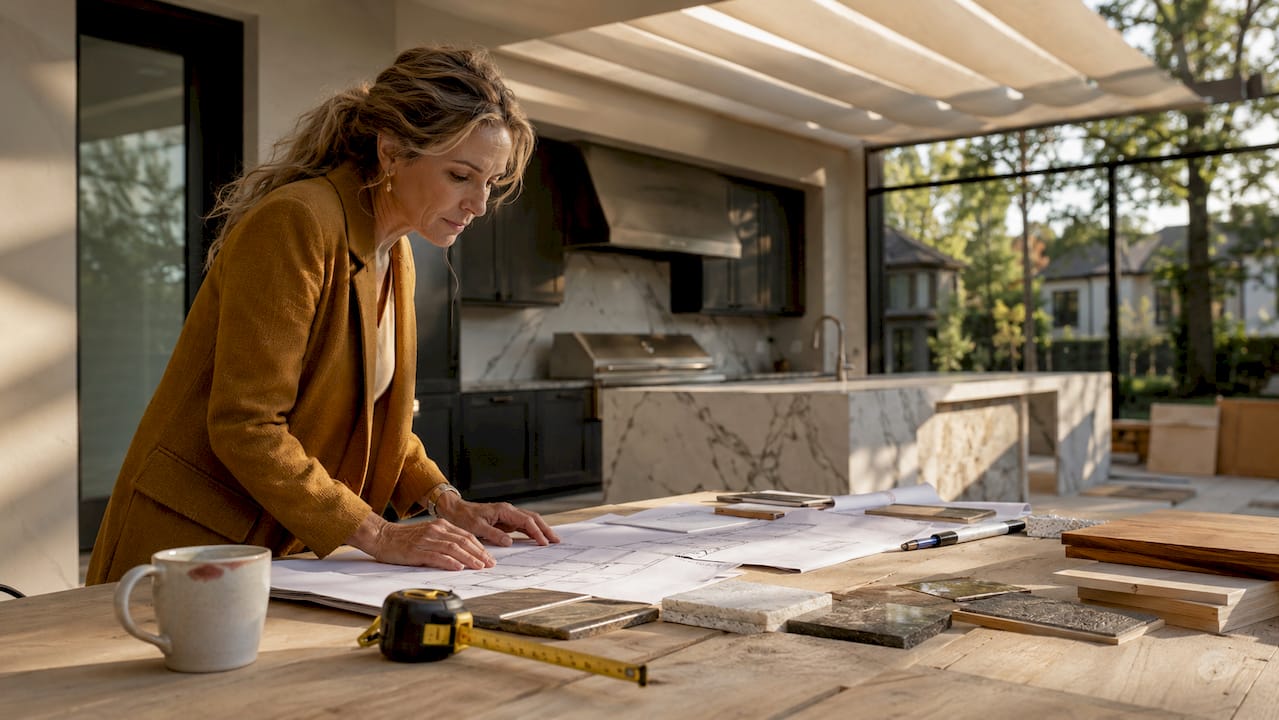
Examples of value-add luxury builds are custom renovations and high-end construction features that measurably increase property value while transforming how you live in a space. In the industry, these are formally called value-adding improvements: upgrades that combine premium materials, smart technology, and lifestyle-focused design to deliver both equity growth and daily quality of life. The best builds in 2026 go beyond surface aesthetics. They integrate programmable thermostats, wellness suites, sculptural kitchen islands, and spa-inspired bathrooms into a cohesive whole that appeals to discerning buyers and investors alike.
1. Which luxury kitchen builds add the most value to your home?
The kitchen is the single highest-ROI room in any luxury home renovation. Luxury kitchen remodels recoup 50–70% of their cost at resale. That figure reflects how central the kitchen is to buyer perception in the upper market.
The features that drive that return are specific:
- Sculptural kitchen islands with waterfall stone edges serve as the room’s focal point and add functional prep and seating space
- Professional-grade appliances from Sub-Zero (refrigeration) and Wolf (cooking) signal quality to buyers before they read a single spec sheet
- Stone countertops in quartzite or honed granite offer durability alongside visual weight
- Solid hardwood cabinetry with handle-less, push-to-open doors reflects the minimalist aesthetic that dominates high-end design in 2026
The trend toward singular, high-impact investments like sculptural islands rather than full kitchen overhauls is reshaping how investors allocate budgets. One dramatic statement piece often outperforms a full refresh of dated but functional elements.
Pro Tip: Value engineering swaps like substituting engineered quartz for Carrara marble maintain the luxury look at 30–40% lower material cost. The visual result is nearly identical; the budget impact is substantial.
2. How do spa-inspired bathrooms enhance luxury and increase property value?
The luxury bathroom has become the wellness room of the home. Luxury bathroom renovations are increasing by 48%, with the growth concentrated in wellness features like saunas, steam rooms, and integrated smart technology. That surge reflects a broader shift: buyers no longer treat the bathroom as purely functional. They expect it to perform like a private retreat.
The features that define this category include:
- Radiant floor heating beneath large-format porcelain or natural stone tile
- Custom tile showers with multiple body spray jets and a ceiling-mounted rainfall showerhead
- Freestanding soaking tubs positioned as architectural focal points, often near a window or garden view
- Invisible smart technology such as fog-free mirrors with embedded displays, programmable shower controls, and chromotherapy lighting
Practitioners recommend sizing HVAC and water systems to handle multiple body sprays and rain heads simultaneously. Undersized infrastructure is the most common reason a high-end bathroom underperforms its design intent.
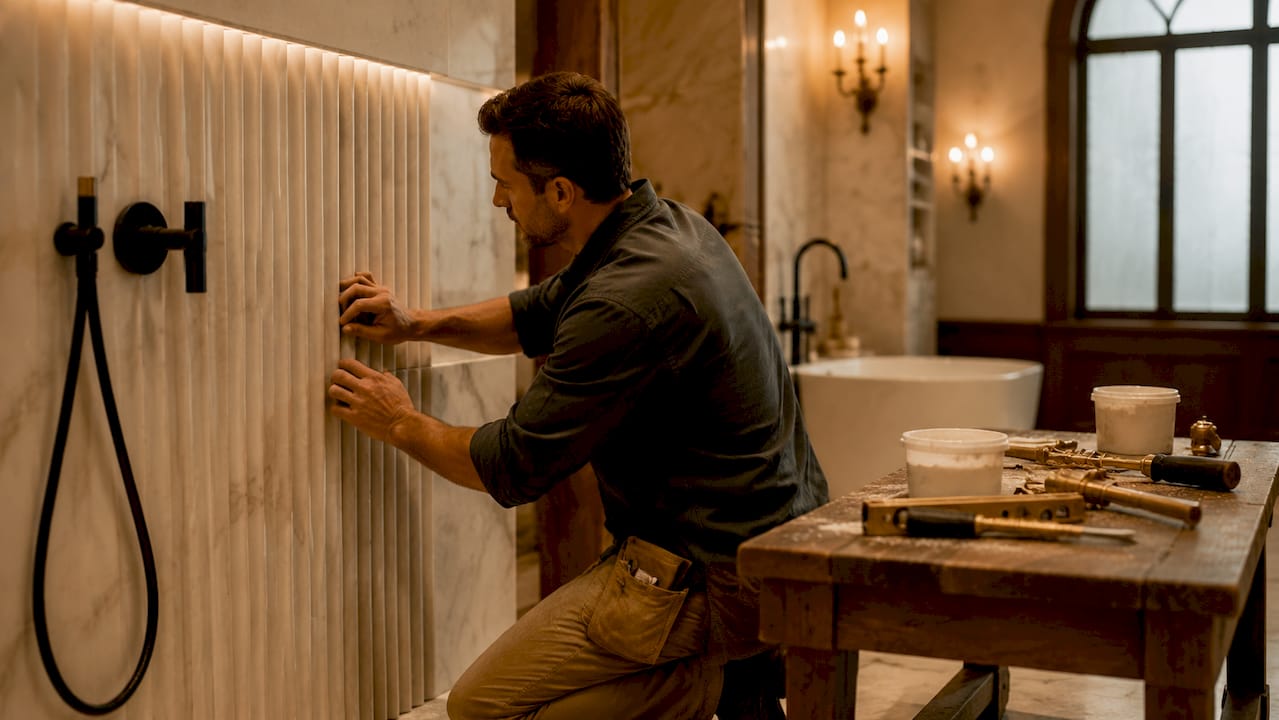
Materials matter as much as fixtures. Fluted marble panels, book-matched stone walls, and matte black or brushed brass hardware create a sensory environment that photographs well and holds its appeal across market cycles.
3. What smart home technologies are top value-add upgrades in luxury builds?
Smart technology adds measurable value when it is layered onto a home that already has strong physical quality. Smart technology only adds value if the home’s physical quality and maintenance are already high. Buyers in the luxury segment treat smart systems as expected, not exceptional. The question is whether the systems are well-integrated or feel like afterthoughts.
The highest-performing smart upgrades include:
- Programmable thermostats (Ecobee, Nest) that cost $150–$300 and reduce heating and cooling bills by 10–15%
- Automated lighting systems with scene-setting capability across interior and exterior zones
- Smart locks and video doorbells that integrate with a central security hub
- Leak detection sensors in mechanical rooms, under sinks, and near water heaters
- Smart outdoor irrigation controllers that reduce water usage by adjusting schedules based on local weather data
Infrastructure matters here as much as the devices themselves. A luxury build needs sufficient electrical panel capacity and a whole-home Wi-Fi mesh network before smart systems can perform reliably. Skipping that foundation is the most common mistake in high-end tech integration.
Pro Tip: Buyers in competitive Los Angeles markets increasingly expect smart systems to be pre-integrated and app-controlled from a single platform. Fragmented systems with multiple apps reduce perceived value rather than adding it.
4. How do lifestyle-integrated luxury builds transform living spaces and add value?
High-ROI luxury builds focus on lifestyle-integrated spaces such as wellness suites and flexible-use rooms that create turnkey experiences for buyers. The logic is straightforward: a home that already fits a buyer’s life commands a premium over one they would need to modify.
The most impactful lifestyle spaces in 2026 include:
Wellness suites that combine a home gym, infrared sauna, and recovery area in a single dedicated zone. These spaces appeal to health-focused buyers who would otherwise spend $300–$500 per month on gym memberships and spa visits.
Flexible-use rooms designed with reinforced flooring, sound isolation, and convertible storage. A room that functions as a home office, media room, or guest suite without structural modification is a genuine asset in a changing household.
Indoor-outdoor living spaces with covered patios, outdoor kitchens, and retractable glass walls. The Gated Haven custom home in West Vancouver illustrates this well: an ocean-view covered patio and a climate-controlled garage designed for car enthusiasts added both lifestyle value and significant resale premium to the property.
Outdoor living features combined with smart systems like automated lighting and irrigation create spaces that are highly desirable precisely because they reduce maintenance while increasing usability.
5. Comparison of value-adding luxury build examples: Which investment fits your goals?
Choosing the right upgrade depends on your primary goal: personal lifestyle enhancement, resale value, or both. The table below compares the four major categories of high-end property upgrades by cost range, ROI potential, and lifestyle impact.
| Upgrade Category | Estimated Cost Range | Resale ROI | Lifestyle Impact |
|---|---|---|---|
| Luxury kitchen remodel | $80,000–$200,000 | 50–70% | High: daily use, buyer appeal |
| Spa-inspired bathroom | $40,000–$120,000 | 55–65% | High: wellness, daily comfort |
| Smart home integration | $15,000–$60,000 | 40–55% | Medium-high: convenience, efficiency |
| Lifestyle suite (gym, office, outdoor) | $50,000–$150,000 | 45–65% | Very high: turnkey buyer appeal |
Investors prioritizing resale should focus on kitchens and bathrooms first. These rooms have the most direct influence on buyer decisions and appraisal values. Homeowners planning to stay for five or more years gain the most from lifestyle suites and smart integration, where the daily return compounds over time.
Elite renovations emphasize structural integrity and premium materials to secure long-term equity. A well-executed kitchen with Sub-Zero appliances and quartzite countertops will hold its value across multiple market cycles in ways that trend-driven finishes will not.
Pro Tip: Combining one singular statement piece (a sculptural island, a freestanding tub, a retractable glass wall) with practical smart tech upgrades produces the strongest combined return. The statement piece creates emotional resonance; the technology satisfies rational buyer criteria.
Key takeaways
The most effective value-add luxury builds combine one high-impact design statement with practical technology and premium materials to maximize both resale ROI and daily livability.
| Point | Details |
|---|---|
| Kitchen ROI leads all categories | Luxury kitchen remodels recoup 50–70% at resale, making them the strongest investment for sellers. |
| Bathroom wellness drives demand | A 48% surge in luxury bathroom renovations reflects buyer demand for spa-like, technology-integrated spaces. |
| Smart tech requires a strong foundation | Smart systems only add value when layered onto a home with high physical quality and proper infrastructure. |
| Lifestyle spaces create turnkey appeal | Wellness suites and flexible-use rooms reduce buyer hesitation by delivering a ready-to-live experience. |
| Value engineering preserves luxury perception | Substituting quartz for marble or engineered hardwood for solid wood controls cost without sacrificing buyer appeal. |
My perspective on building luxury that actually lasts
The conversation around luxury builds tends to fixate on what is new. I have watched clients chase lacquered ceilings and fluted panels because they appeared in an Architectural Digest spread, only to feel dated three years later. The builds that hold their value, and more importantly hold their owners’ satisfaction, are the ones grounded in enduring materials and genuine lifestyle fit.
Luxury homeowners increasingly prioritize lasting quality and personal relevance over transient trends. That observation matches what I see in practice. The clients who are happiest five years after a build are the ones who invested in a kitchen that fits how they actually cook, a bathroom that fits how they actually decompress, and outdoor spaces that fit how they actually entertain.
Smart budgeting through value engineering is not a compromise. It is a discipline. Choosing engineered quartz over Carrara marble because the visual result is nearly identical is not settling. It is freeing up budget for the one feature that will genuinely define the space.
My honest recommendation: pick one room, do it at the highest level you can sustain, and build outward from there. A single extraordinary kitchen or bathroom does more for your property’s value and your daily life than three rooms done at 70%.
— Daniel
How Builtblackbriar brings value-add luxury builds to life in Los Angeles
Builtblackbriar specializes in exactly the kind of high-impact, high-integrity luxury builds described in this article, from sculptural kitchen transformations and spa-inspired bathrooms to fully integrated smart home systems and lifestyle suites across Los Angeles.
What sets Builtblackbriar apart is the combination of technical depth and transparent process. The team handles complex builds including subterranean basements and oversized glass installations, and clients receive real-time project updates at every phase. If you are ready to explore luxury home building that delivers measurable value and a living experience worth investing in, the Builtblackbriar team is ready to discuss your goals. You can also explore their full range of construction services to find the right fit for your project.
FAQ
What are the best examples of value-add luxury builds?
The strongest examples include luxury kitchen remodels with Sub-Zero and Wolf appliances, spa-inspired bathrooms with radiant heating and steam rooms, smart home integration with Ecobee or Nest systems, and lifestyle suites combining wellness and flexible-use spaces. These upgrades consistently deliver both lifestyle benefits and measurable resale returns.
How much do luxury kitchen remodels recoup at resale?
Luxury kitchen remodels recoup 50–70% of their cost at resale, making them the highest-ROI room renovation in the luxury segment. Custom cabinetry, stone countertops, and professional-grade appliances drive the strongest returns.
Do smart home upgrades add real value to luxury properties?
Smart upgrades like programmable thermostats and automated lighting add genuine value, but only when the home already has strong physical quality and proper infrastructure. Fragmented or poorly integrated systems can reduce perceived value rather than increase it.
What is value engineering in luxury home renovation?
Value engineering means substituting premium materials with visually comparable, less expensive alternatives, such as engineered quartz instead of Carrara marble, to manage budgets without sacrificing the luxury aesthetic. It is a standard practice among experienced luxury builders and does not compromise the final result.
How do I choose between upgrading a kitchen, bathroom, or lifestyle suite?
Investors focused on resale should prioritize kitchens and bathrooms, which have the most direct influence on buyer decisions. Homeowners planning to stay long-term gain the most from lifestyle suites and smart integration, where the daily return compounds over years of use.